Loneliness and Mental Health: Why Feeling Isolated Shouldn’t Be Ignored
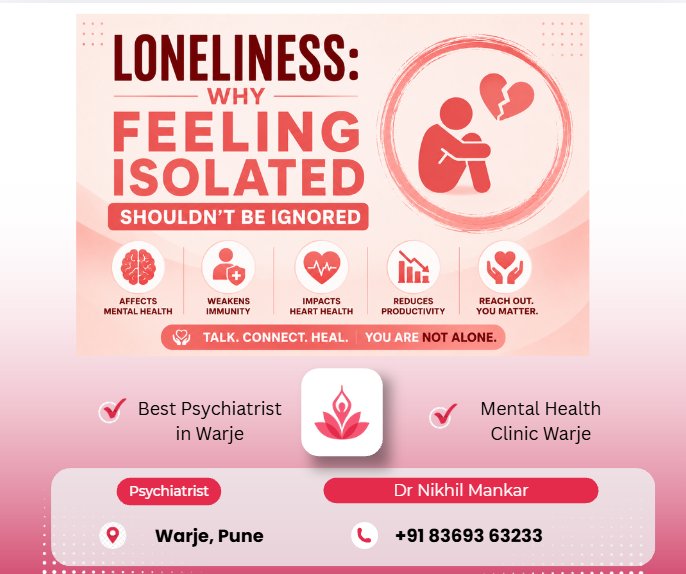
Loneliness is more than simply spending time alone. It is the feeling of being emotionally disconnected, unsupported, or unable to form meaningful connections with others. When this feeling continues for weeks or begins affecting everyday life, seeking guidance from a Mental Health Clinic in Warje can help a person understand what is contributing to the isolation and learn healthier ways to manage it. Loneliness deserves attention, especially when it starts affecting mood, sleep, relationships, or daily responsibilities.
Some people experience loneliness even when surrounded by family, friends, or colleagues. This happens because emotional connection matters just as much as physical company.
Being Alone and Feeling Lonely Are Different
Being alone is not necessarily unhealthy. Many people enjoy spending time by themselves to relax, think, read, exercise, or pursue personal interests.
Loneliness is different. It usually involves a feeling that something meaningful is missing from social or emotional relationships.
A person experiencing loneliness may think:
Nobody understands what I am going through.
I don't feel connected to anyone.
I don't have someone I can comfortably talk to.
I feel left out even when other people are around.
I don't feel interested in meeting people anymore.
These feelings may be temporary after a difficult life event. When they continue and become emotionally exhausting, they deserve closer attention.
Why Do People Feel Lonely?
There is rarely one single reason behind loneliness. Personal circumstances, relationships, work, major life changes, and emotional difficulties can all play a role.
Common situations associated with loneliness include:
Moving to a New Place
Relocating can separate a person from familiar friends, relatives, routines, and social groups. Building new connections often takes time.
Relationship Changes
A breakup, divorce, family conflict, or loss of an important relationship can create a strong feeling of emotional emptiness.
Working From Home
Remote work can reduce everyday conversations with colleagues. For some people, long periods without regular social interaction can gradually become isolating.
Losing Someone Close
Grief can bring a particular form of loneliness because the person may miss the specific emotional connection they shared with someone.
Difficulty Making Connections
Shyness, fear of judgment, low confidence, or previous negative social experiences can make approaching new people difficult.
Major Life Transitions
Retirement, changing jobs, becoming a parent, children leaving home, or other major transitions can change familiar social routines.
How Can Loneliness Affect Mental Well-Being?
Occasional loneliness is a normal human experience. Persistent loneliness, however, can influence how a person thinks, feels, and behaves.
Someone may gradually lose motivation to participate in activities they previously enjoyed. Social situations may begin feeling uncomfortable, making them withdraw even further.
Possible emotional changes include:
Persistent sadness
Low motivation
Irritability
Feeling unwanted
Difficulty concentrating
Reduced confidence
Negative thoughts about relationships
Loss of interest in social activities
Loneliness can sometimes occur alongside depression, anxiety, grief, or other emotional difficulties. A Psychiatrist in Warje can assess persistent symptoms when they begin interfering with everyday functioning.
The Loneliness Cycle
One difficult aspect of loneliness is that it can reinforce itself.
A person feels disconnected, so they stop attending social activities. With fewer interactions, they begin feeling even more isolated. Eventually, reconnecting may start to feel uncomfortable or overwhelming.
The cycle may look something like this:
Feeling lonely → withdrawing from others → fewer social interactions → increased negative thoughts → greater loneliness.
Breaking this pattern usually starts with small, manageable changes rather than forcing yourself into uncomfortable social situations.
Can Social Media Make Loneliness Worse?
Social media can help people stay connected, particularly when friends and family live far away. However, online interaction does not always provide the same emotional connection as meaningful personal conversation.
Constantly seeing carefully selected moments from other people's lives may also create comparisons.
Someone may begin thinking that everyone else has better friendships, more active social lives, or happier relationships.
Using digital communication to maintain genuine relationships can be helpful. Problems may arise when scrolling replaces meaningful interaction or repeatedly leaves you feeling worse afterward.
Physical Health Can Also Be Affected
Mental and physical well-being are closely connected.
Long-term emotional stress associated with isolation may influence sleep, energy levels, appetite, and everyday health habits.
Someone experiencing prolonged loneliness may notice:
Poor sleep
Low energy
Changes in appetite
Reduced physical activity
Difficulty maintaining routines
Problems concentrating at work
These symptoms can have many possible causes, so persistent changes should be discussed with an appropriate healthcare professional rather than automatically attributed to loneliness.
Small Steps Can Help You Reconnect
Trying to completely change your social life overnight can feel overwhelming. Smaller actions are often easier to maintain.
Consider starting with:
Message one person you haven't spoken to recently.
Have a short conversation with a colleague or neighbour.
Join an activity connected to an existing interest.
Spend some time outside your home regularly.
Exercise or walk in a shared public environment.
Attend a class, hobby group, or community activity.
Schedule regular conversations with family or friends.
Reduce social media use if it increases negative comparisons.
The goal is not to have a large social circle. A few meaningful relationships may provide more emotional connection than many superficial interactions.
Create Routine When Isolation Has Changed Your Day
Loneliness can sometimes disrupt daily structure. Sleeping late, skipping meals, spending long periods online, and avoiding activities can gradually become habits.
A simple routine can create stability.
Try maintaining regular times for:
Waking up
Meals
Work
Exercise
Outdoor activity
Hobbies
Social interaction
Sleep
Routine does not remove loneliness by itself, but it can prevent isolation from taking over the entire day.
When Should You Consider Professional Support?
There is no requirement to wait until emotional distress becomes severe before discussing it with a mental health professional.
Consider seeking professional support when loneliness is accompanied by:
Persistent sadness
Frequent crying
Loss of interest in usual activities
Major sleep changes
Difficulty concentrating
Strong feelings of hopelessness
Increasing social withdrawal
Difficulty managing work or responsibilities
Anxiety about interacting with people
A professional at a Mental Health Clinic in Warje can explore whether loneliness is occurring independently or alongside another emotional or mental health concern.
How Can a Psychiatrist Help?
The first step is usually understanding what the person is experiencing rather than immediately focusing on a particular treatment.
A psychiatric assessment may explore:
How long the feelings have been present
Recent changes or stressful events
Sleep and appetite
Work and daily routine
Relationships
Anxiety symptoms
Mood changes
Previous emotional difficulties
When loneliness occurs alongside depression, anxiety, or another condition, treatment may focus on the underlying problem as well as improving everyday functioning.
A Psychiatrist in Warje may discuss suitable treatment approaches based on the individual's symptoms and circumstances.
Supporting Someone Who Feels Isolated
Loneliness is not always obvious from the outside. Someone may continue working, smiling, or attending social events while still feeling deeply disconnected.
When someone tells you they feel lonely, simple support can matter.
You can:
Listen without immediately giving advice.
Check in regularly.
Invite them to simple activities.
Avoid dismissing their feelings.
Encourage professional support when they are struggling.
Stay patient if they initially decline invitations.
Sometimes consistent contact is more useful than trying to solve the person's situation in one conversation.
Frequently Asked Questions
1. Can I feel lonely even when I have friends?
Yes. Loneliness can happen when you do not feel emotionally connected to others.
2. Is loneliness the same as depression?
No. They are different, but long-term loneliness can sometimes occur along with depression.
3. Can working from home cause loneliness?
Yes. Limited social interaction may make some people feel isolated.
4. When should I seek professional help?
Consider professional support when loneliness starts affecting your mood, sleep, work, or daily life.
5. How can I manage loneliness?
Stay connected with people, maintain a daily routine, join social activities, and seek support when needed.
Connection Can Begin With One Conversation
Loneliness often becomes harder when it is kept completely private. You do not need dozens of friendships or a busy social calendar to feel connected; even one meaningful conversation can be a starting point. Pay attention when isolation begins changing your mood, sleep, relationships, or ability to manage everyday life.
Feeling increasingly isolated or finding it difficult to reconnect with everyday life? Consult Dr. Nikhil Mankar to discuss what you have been experiencing and understand the appropriate next steps for your mental well-being.