Panic Attacks: Symptoms, Causes and Treatment Options
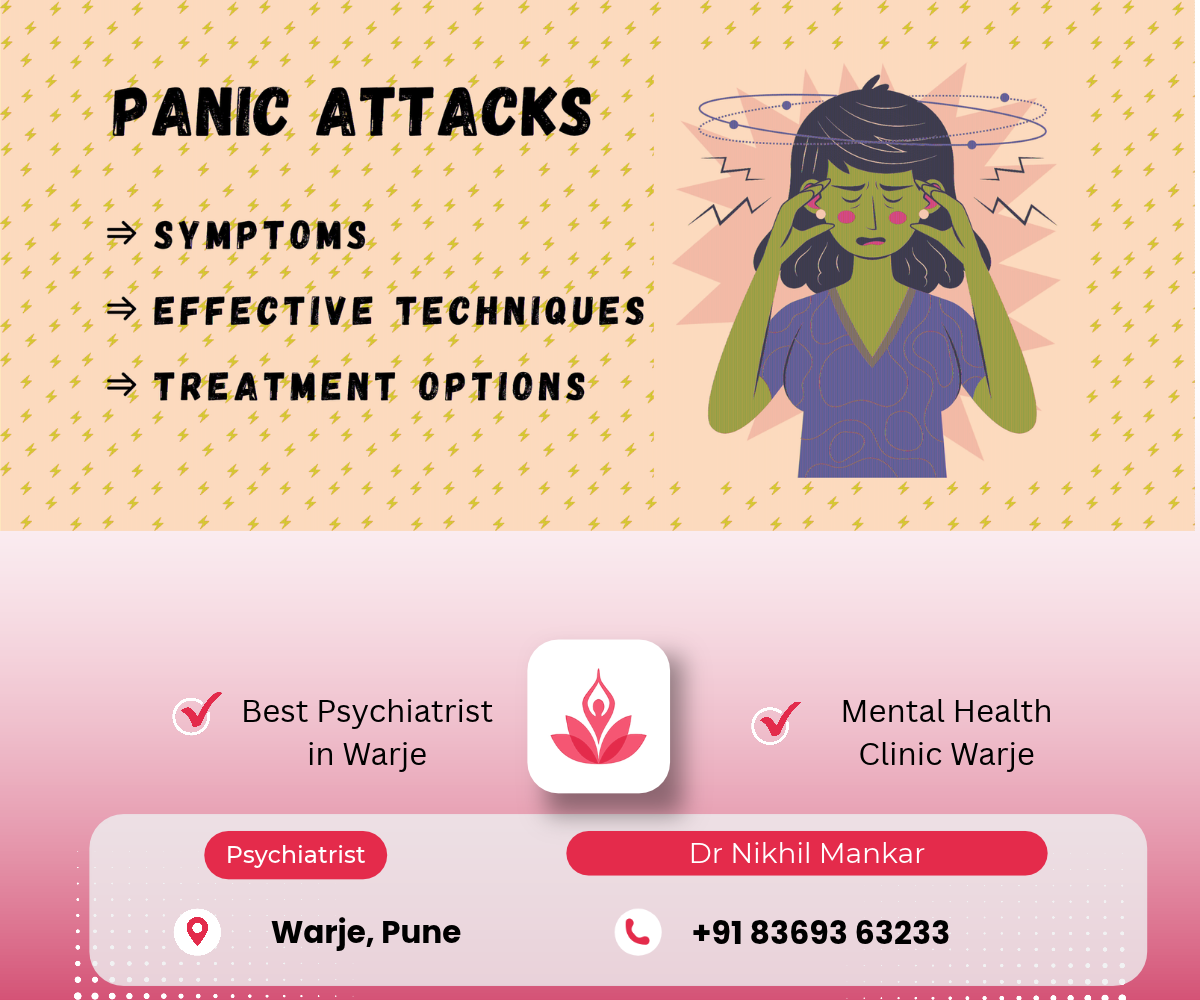
A panic attack can be a sudden and overwhelming experience. A person may experience a racing heartbeat, sweating, trembling, dizziness, chest discomfort, difficulty breathing, or an intense fear that something is wrong. Because these symptoms can feel severe, a first panic attack can be particularly frightening.
Panic attacks can happen during stressful situations or sometimes without an obvious trigger. An occasional panic attack does not necessarily mean that someone has panic disorder. However, repeated attacks, ongoing fear of another attack, or changes in daily behaviour may indicate that professional support could be helpful.
For people searching for a Psychiatrist in Warje, understanding the symptoms, possible triggers, and treatment options can be a useful first step toward seeking appropriate mental health care.
What Is a Panic Attack?
A panic attack is a sudden episode of intense fear or discomfort that can develop quickly. During an attack, the body's natural stress response becomes highly activated, which can produce both physical and emotional symptoms.
A panic attack may occur in response to stress, but it can also happen unexpectedly. The experience varies from person to person, and not everyone will have the same symptoms.
Repeated panic attacks should be discussed with a qualified mental health professional, particularly when they begin affecting everyday activities.
Common Symptoms of Panic Attacks
Panic attacks can affect the body, thoughts, and emotions. Common symptoms may include:
Rapid or pounding heartbeat
Sweating or trembling
Shortness of breath
Chest discomfort
Dizziness or light-headedness
Nausea or stomach discomfort
Tingling or numbness
Feeling unusually hot or cold
Feeling detached from surroundings
Fear of losing control
Fear of dying
Sudden and intense fear
Some people experience several symptoms at the same time, while others may notice only a few. Physical symptoms can sometimes be particularly concerning because they may resemble symptoms of other medical conditions.
If symptoms are new, severe, or unusual, they should not automatically be assumed to be a panic attack. Appropriate medical evaluation may be necessary.
What Can Cause or Trigger Panic Attacks?
Panic attacks can have different contributing factors. In some cases, there may not be an obvious trigger.
Stress and Emotional Pressure
Work pressure, academic concerns, relationship difficulties, financial worries, or major life changes can contribute to increased anxiety and emotional stress.
Anxiety and Mental Health Concerns
Panic attacks can occur alongside anxiety disorders and other mental health conditions. A professional assessment can help understand whether the attacks are part of a broader pattern.
Previous Difficult Experiences
Past traumatic or highly stressful experiences may influence how a person responds to certain situations. Professional support can help individuals understand these responses.
Lifestyle and Physical Factors
Poor sleep, excessive caffeine, certain medications, substance use, and other physical or lifestyle factors may influence anxiety symptoms in some people.
Because there can be several contributing factors, it is better to discuss recurring symptoms with a professional rather than trying to identify the cause alone.
What Can You Do During a Panic Attack?
When a panic attack occurs, try to move to a safe and comfortable environment if possible. Some people find slow, controlled breathing and grounding techniques helpful.
You can also try to:
Focus on your surroundings.
Slow down rapid breathing.
Sit or stand somewhere safe.
Remind yourself that intense anxiety symptoms can pass.
Avoid excessive caffeine and stimulants.
Seek medical help if symptoms are severe or unfamiliar.
These techniques may help manage immediate distress, but recurring panic attacks may require professional assessment and treatment.
When Should Panic Attacks Be a Concern?
Professional support may be useful when panic attacks:
Happen repeatedly
Occur unexpectedly
Cause ongoing fear of another attack
Lead to avoiding certain places or activities
Affect work, studies, or relationships
Make everyday responsibilities difficult
Cause significant emotional distress
Some people begin avoiding public places, travelling, social situations, or other activities because they are worried about having another attack. Over time, this avoidance can interfere with normal life.
A mental health professional can assess these patterns and explain suitable treatment options.
What Is Panic Disorder?
Panic disorder involves recurrent unexpected panic attacks along with persistent concern about having another attack or significant changes in behaviour related to the attacks.
Having one panic attack does not automatically mean that a person has panic disorder. A psychiatrist considers the overall pattern of symptoms, their frequency, duration, impact on daily life, and other relevant medical and psychological factors before making an assessment.
How Are Panic Attacks Treated?
Treatment depends on the individual's symptoms and overall circumstances. Different approaches may be considered.
Psychotherapy
Psychotherapy can help people understand the relationship between their thoughts, emotions, physical sensations, and behaviours.
Cognitive behavioural therapy (CBT) is one approach that may be used for panic-related concerns. It can help individuals recognise unhelpful thought patterns and develop healthier ways of responding to anxiety.
Medication
A psychiatrist may recommend medication when clinically appropriate. The choice depends on the person's symptoms, medical history, current medicines, and individual needs.
Medication should only be taken according to professional medical advice.
Lifestyle and Stress Management
Healthy routines may support overall mental well-being. Depending on the individual, a professional may recommend:
Maintaining a regular sleep routine
Staying physically active
Limiting excessive caffeine
Avoiding recreational substances
Practising relaxation techniques
Maintaining regular meals
Staying connected with supportive people
Lifestyle measures can complement professional treatment but should not replace appropriate care when symptoms are significant.
When Should You See a Psychiatrist?
Consider consulting a Psychiatrist in Warje if panic attacks are recurring, difficult to manage, or interfering with your everyday life.
During a psychiatric consultation, the doctor may ask about:
When the symptoms started
How often the attacks occur
Possible triggers
Physical and emotional symptoms
Sleep and lifestyle habits
Medical and mental health history
Current medications
The effect of symptoms on daily activities
This information helps the psychiatrist understand the situation and determine appropriate next steps.
Finding a Mental Health Clinic in Warje
If panic attacks or anxiety symptoms are becoming difficult to manage, professional support can provide an opportunity to discuss these concerns in a structured setting.
A Mental Health Clinic in Warje can provide access to professional mental health assessment and guidance for individuals experiencing panic attacks, anxiety, mood changes, and other concerns.
Dr. Nikhil Mankar provides psychiatric care in Warje, Pune. Individuals experiencing recurring panic symptoms can discuss their concerns during a professional consultation and understand the support options that may be appropriate for their situation.
Frequently Asked Questions
Can panic attacks happen without a warning?
Yes. Some panic attacks occur unexpectedly without an obvious immediate trigger. Repeated unexpected attacks may require professional assessment.
How long does a panic attack last?
The duration can vary. Symptoms may become intense and then gradually reduce, although the experience can feel much longer because of the level of fear and physical discomfort.
Can panic attacks be treated?
Yes. Treatment may include psychotherapy, medication when appropriate, and lifestyle or stress-management strategies. The suitable approach depends on the individual's needs.
When should I see a psychiatrist for panic attacks?
Consider professional help if attacks are recurring, causing significant distress, leading to avoidance, or affecting work, studies, relationships, or daily activities.
Take the Right Step for Your Mental Health
Panic attacks can feel frightening, but recurring symptoms do not have to be managed alone. Understanding the symptoms and seeking professional assessment when needed can help you make informed decisions about your mental health.
If you are experiencing recurring panic symptoms and looking for a Psychiatrist in Warje a professional consultation can help you understand your concerns and explore appropriate treatment and support options.