What Should You Expect During Your First Anxiety Consultation?
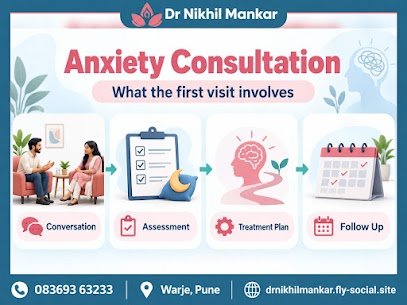
Taking the first step toward mental health support can feel unfamiliar, especially when you are experiencing persistent worry, nervousness, or fear. You may have questions about what to discuss, how the consultation works, or whether you need to prepare anything beforehand.
An anxiety consultation provides an opportunity to discuss what you have been experiencing with a mental health professional. The purpose is to understand your concerns, explore possible contributing factors, and consider appropriate next steps based on your individual needs.
If you are considering an anxiety consultation in Pune, knowing what typically happens during the first appointment can help you feel more comfortable and prepared.
Discussing Your Symptoms and Concerns
The consultation will usually begin with a conversation about what brought you to seek support. Your psychiatrist may ask about the symptoms you have noticed, when they started, and how frequently they occur.
You might experience persistent worrying, restlessness, difficulty concentrating, irritability, sleep disturbances, or physical sensations such as a racing heartbeat. Some people also experience sudden episodes of intense fear or discomfort.
You do not need to describe everything perfectly. Explaining your concerns in your own words is a helpful starting point. Your doctor may ask follow-up questions to understand how these experiences affect your daily routine, relationships, work, or studies.
Understanding Your Medical and Personal History
Your first anxiety consultation may include questions about your medical history, previous mental health concerns, current medications, and any treatment you have tried before.
Your psychiatrist may also ask about sleep, daily habits, work-related pressure, family circumstances, and recent life changes. In some cases, family history of mental health conditions may also be relevant.
These questions help provide a broader picture of your health and circumstances. Anxiety symptoms can have different contributing factors, so understanding your background is important when considering possible explanations and treatment options.
Share information as comfortably and honestly as you can. If you are unsure about a detail, it is perfectly acceptable to say so.
Exploring How Anxiety Affects Daily Life
Anxiety can affect people in different ways. For some, it may involve constant worrying about everyday situations. For others, it may make social interactions, travelling, sleeping, or completing routine responsibilities more difficult.
Your psychiatrist may ask whether you avoid certain situations, feel overwhelmed by particular triggers, or find it difficult to manage your thoughts and emotions.
You may also discuss whether symptoms affect your concentration, appetite, energy levels, or relationships.
This part of the consultation helps the doctor understand the impact of your concerns rather than focusing only on individual symptoms. It also gives you an opportunity to explain what you would most like help with.
Discussing Possible Causes and Assessment
There is no single explanation for every person's anxiety symptoms. They may be associated with stressful circumstances, psychological factors, medical conditions, medication effects, or a combination of influences.
Your psychiatrist will consider the information you share and may ask additional questions to clarify your symptoms. Depending on your circumstances, they may assess whether your experiences are consistent with an anxiety disorder or whether another explanation needs to be explored.
A diagnosis is not always established during the first appointment. Additional information, follow-up discussions, or medical evaluation may sometimes be needed.
The goal is to develop a clearer understanding of your concerns and identify the most appropriate way forward.
Learning About Treatment Options
Once your concerns have been assessed, your psychiatrist may discuss possible treatment approaches. Recommendations depend on your symptoms, their severity, your health history, personal preferences, and any previous treatment.
Depending on the assessment, options may include psychotherapy, medication, lifestyle adjustments, or a combination of approaches. A psychiatrist may also recommend psychological therapy with an appropriately qualified mental health professional.
If medication is discussed, you can ask about its intended purpose, possible side effects, expected benefits, and follow-up requirements. You should feel comfortable raising questions before making decisions about treatment.
Treatment is individualised, and improvement may take time. Your doctor can explain what to expect and how progress may be reviewed.
Preparing for Your First Anxiety Consultation
You do not need extensive preparation before your appointment. However, a few simple steps may help you make the most of the conversation.
Consider noting when your symptoms began, how often they occur, and which situations seem to make them better or worse. If you take medication or have previously received treatment, bring the relevant details.
You may also write down questions you want to ask, such as how the assessment works, what treatment options may be suitable, and when a follow-up appointment might be needed.
If you feel nervous about discussing personal matters, remember that you can take your time. You do not have to explain everything at once.
For more information about the practice and its services, you can visit the official website of Dr. Nikhil Mankar.
What Happens After the Consultation?
At the end of the appointment, your psychiatrist may summarise the main concerns discussed and explain the recommended next steps. These may include further assessment, a treatment plan, medication where appropriate, therapy recommendations, or a follow-up appointment.
You may be asked to monitor particular symptoms or keep track of sleep, mood, or situations that trigger anxiety. Such observations can help you and your doctor understand patterns over time.
Follow-up appointments provide an opportunity to discuss changes, ask additional questions, and review whether the treatment approach is suitable. If your symptoms change or you experience difficulties with a recommended treatment, inform your healthcare professional rather than making medication changes on your own.
For questions about the consultation process or available services, you can use the contact page.
Frequently Asked Questions
How long does a first anxiety consultation take?
The duration varies depending on your concerns, medical history, and the assessment required. Ask the clinic about the expected appointment length when booking.
Do I need a referral to see a psychiatrist for anxiety?
Referral requirements depend on the healthcare provider and appointment arrangements. You can contact the clinic to confirm whether a referral is needed.
Will I be prescribed medication during my first consultation?
Not necessarily. Medication depends on the assessment, your symptoms, health history, and treatment preferences. Your psychiatrist may discuss different options before recommending a suitable approach.
What should I bring to my appointment?
Bring details of your current medications, previous treatment or relevant medical records, if available. A short list of your symptoms and questions may also be helpful.
Is it normal to feel nervous before an anxiety consultation?
Yes. Discussing personal concerns with someone new can feel uncomfortable. You can explain that you are nervous, take your time, and ask questions whenever you need clarification.
Conclusion
Your first anxiety consultation is an opportunity to discuss your concerns, understand how your symptoms affect daily life, and explore possible treatment options in a supportive clinical setting. You do not need to have all the answers before attending.
Preparing a few notes, sharing your experiences at your own pace, and asking questions can help make the appointment more useful. With an appropriate assessment and individualised care, you can work with your mental health professional to determine the next steps.
If you would like to arrange a consultation, visit the appointment page to review the available booking options.